m |  0403 036 119

e |  ian AT bforbrown.com.au

I don’t really do people, photographing them that is, I’m okay talking to them. 

Years and years ago, when I first started my creative career, I studied design, photography and sculpture. Sculpture-wise, I hit my peak with ‘Big E’, which is my homage to all things modern art. As sculptures go, don’t worry, Henry, your work is safe, Moore or less. For a seventeen-year-old living in a post-industrial town in the North of England, it was an interesting exercise in creative thinking. Big E is an interpretation of a railway junction on the West Coast Mainline between Wigan and Warrington converted into moulded clay. …and no, you can’t see a photo of it. And not because the sculpture doesn’t exist anymore, because it does. It lives happily in my parents’ backyard for the last forty years. But mainly because I don’t have one.
This leads me to the other discipline I studied but left behind, photography. The truth is I didn’t leave it behind. For years, as I built my career as a designer, I have quietly, sometimes more quietly than others, continued my love of photography. I have no pretence to be a commercial photographer. The pressure to deliver in another skill doesn’t appeal. I love photography as a creative outlet, but I’m not permanently attached to my camera; I can leave it for days and weeks. But when I pick it up, I’m as enthusiastic as I am when I’m designing.

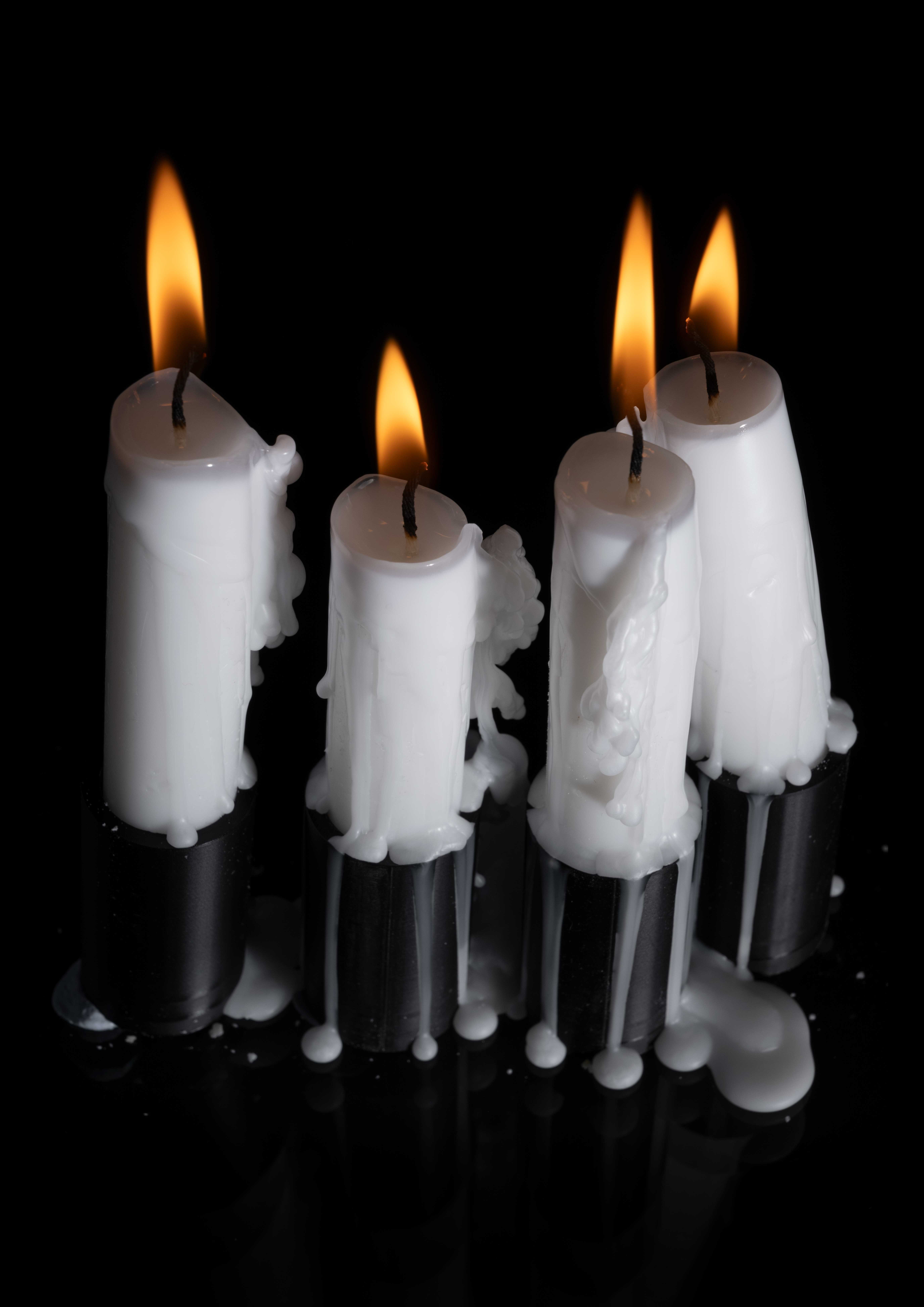
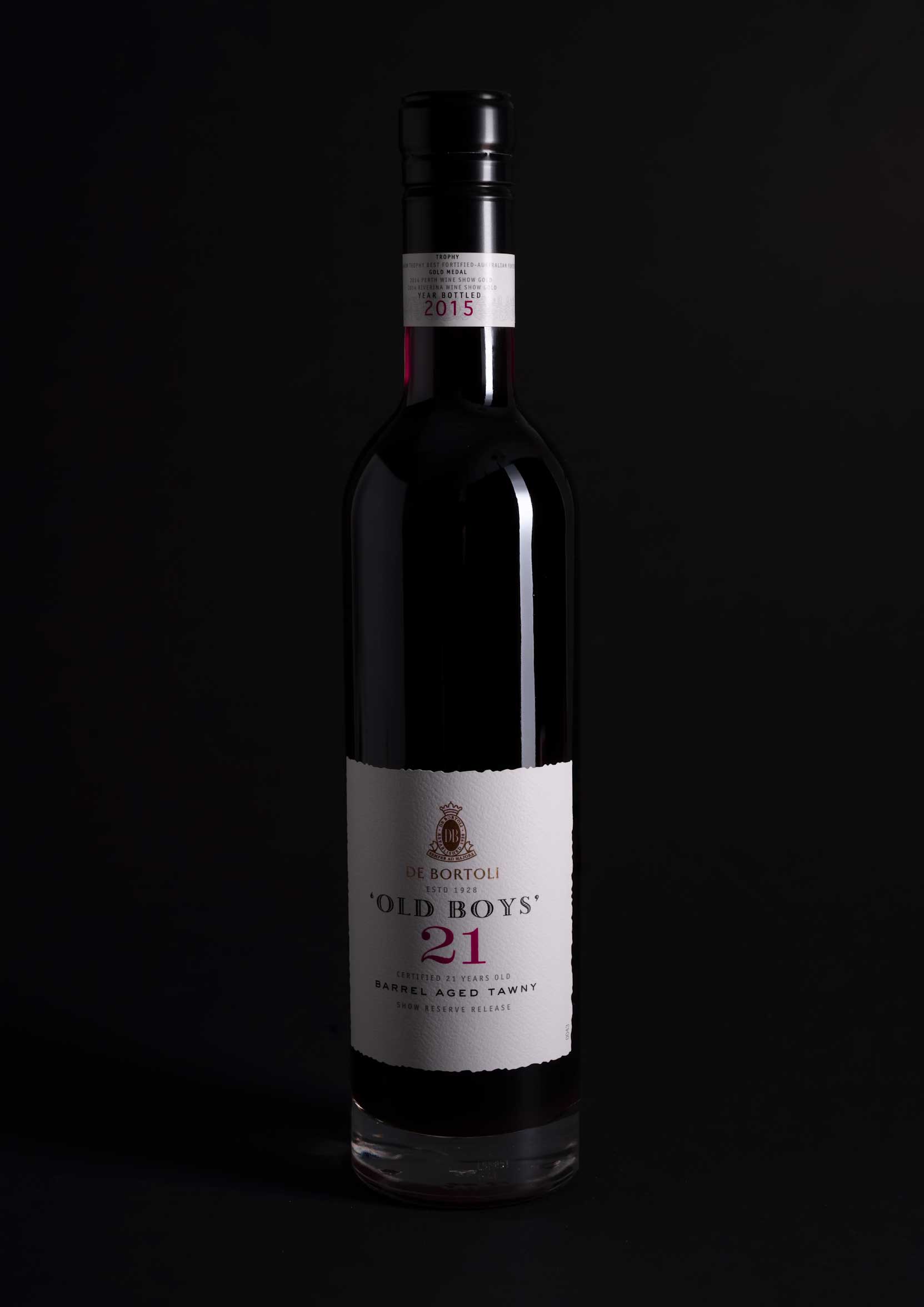
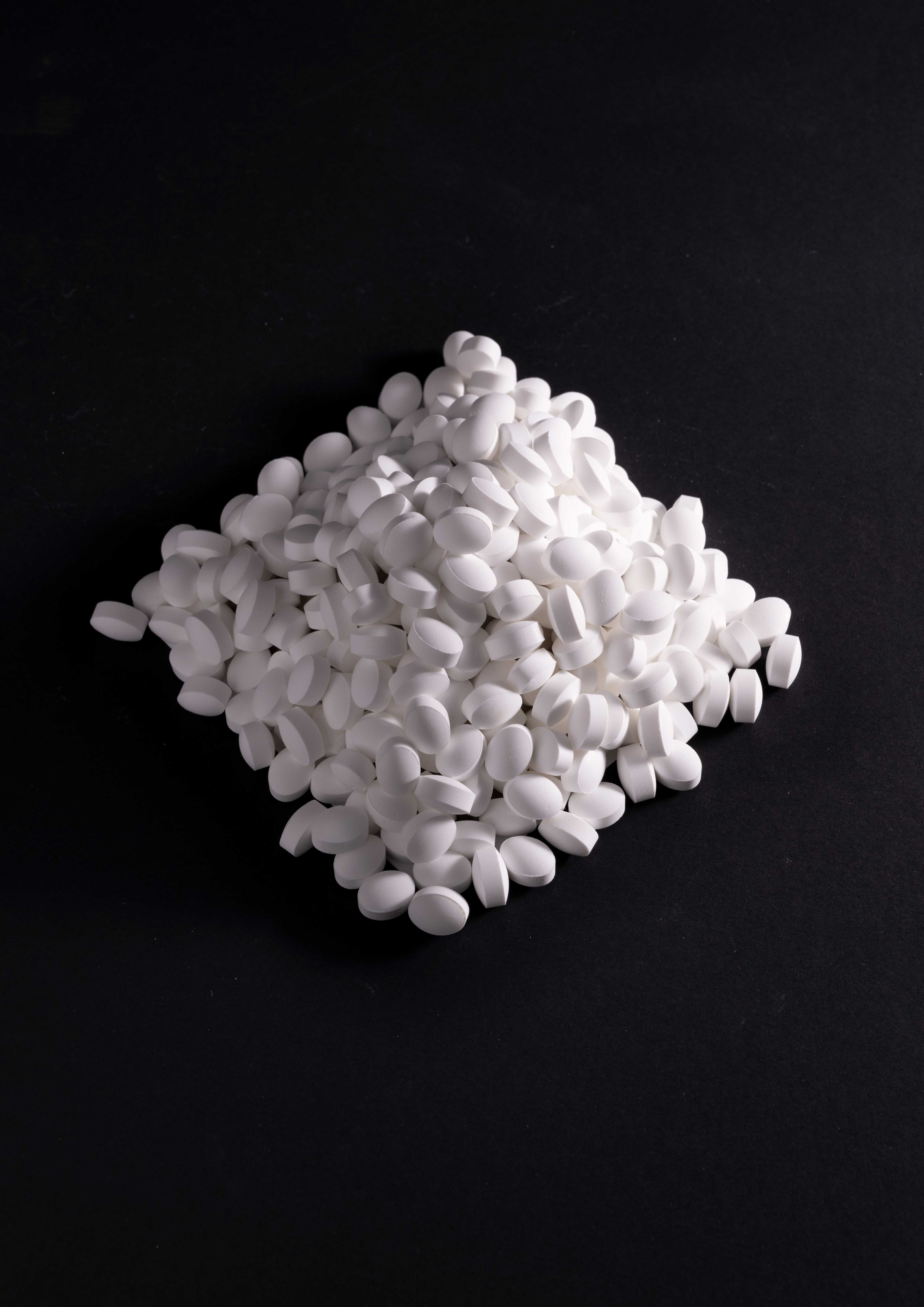
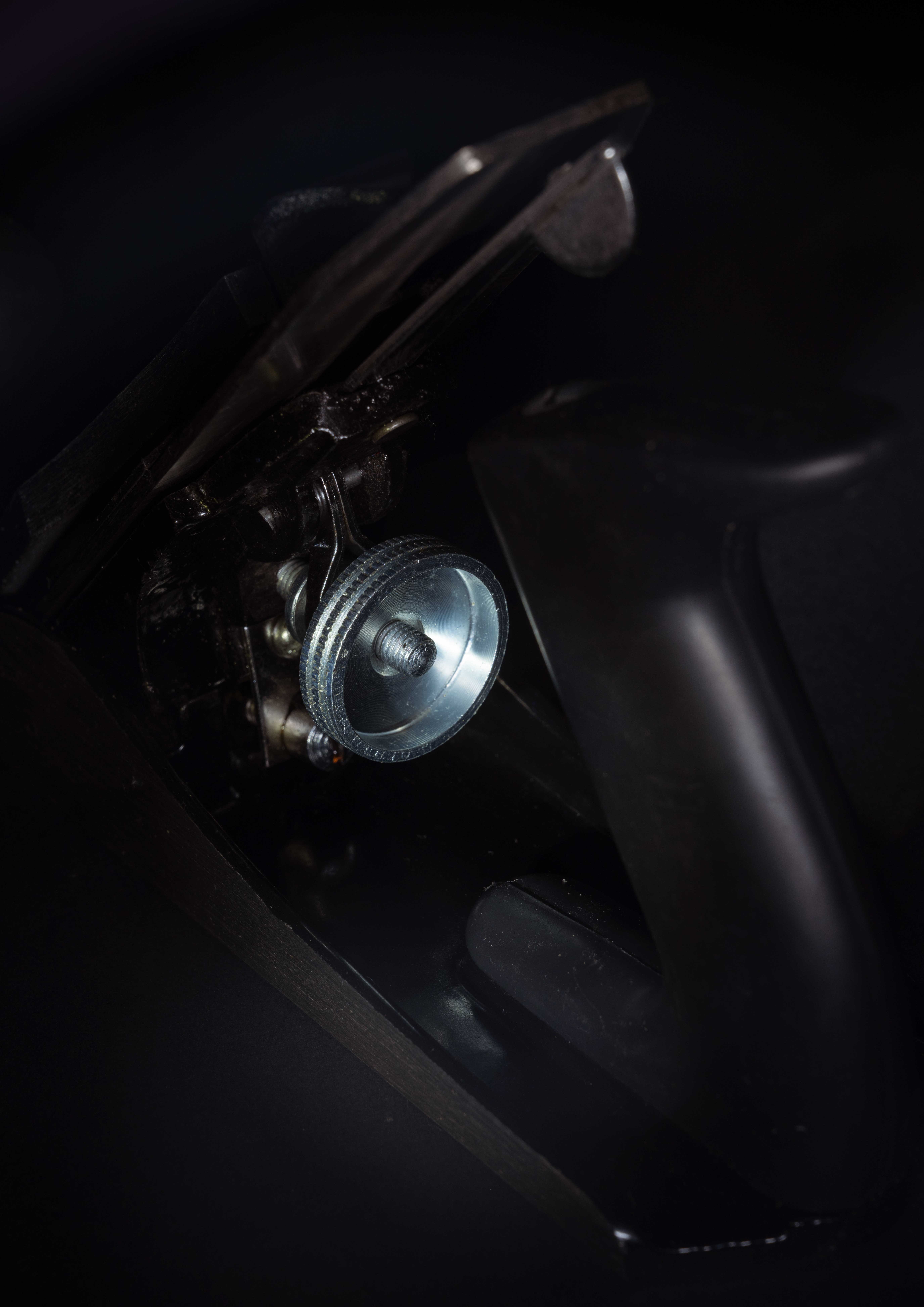
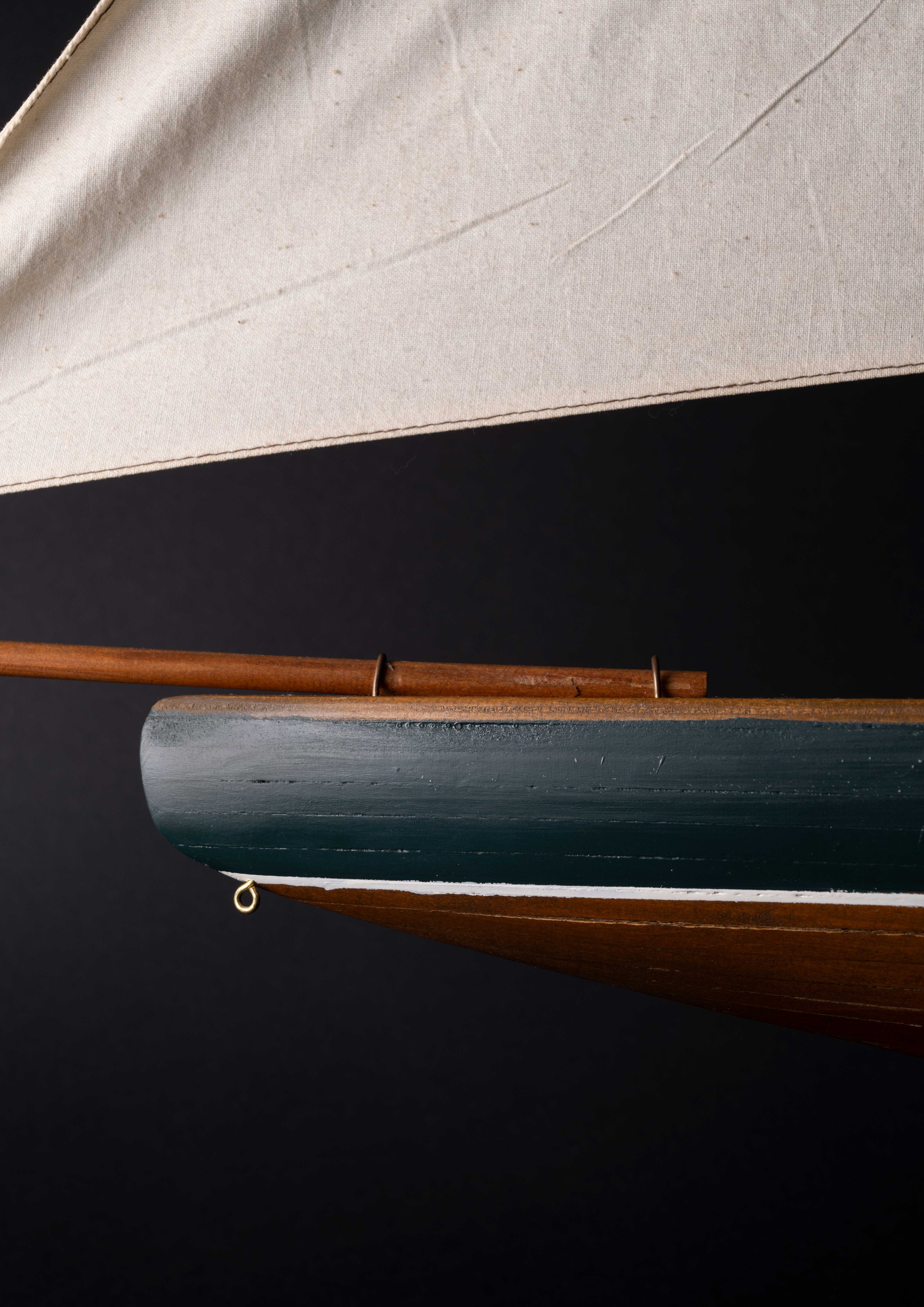
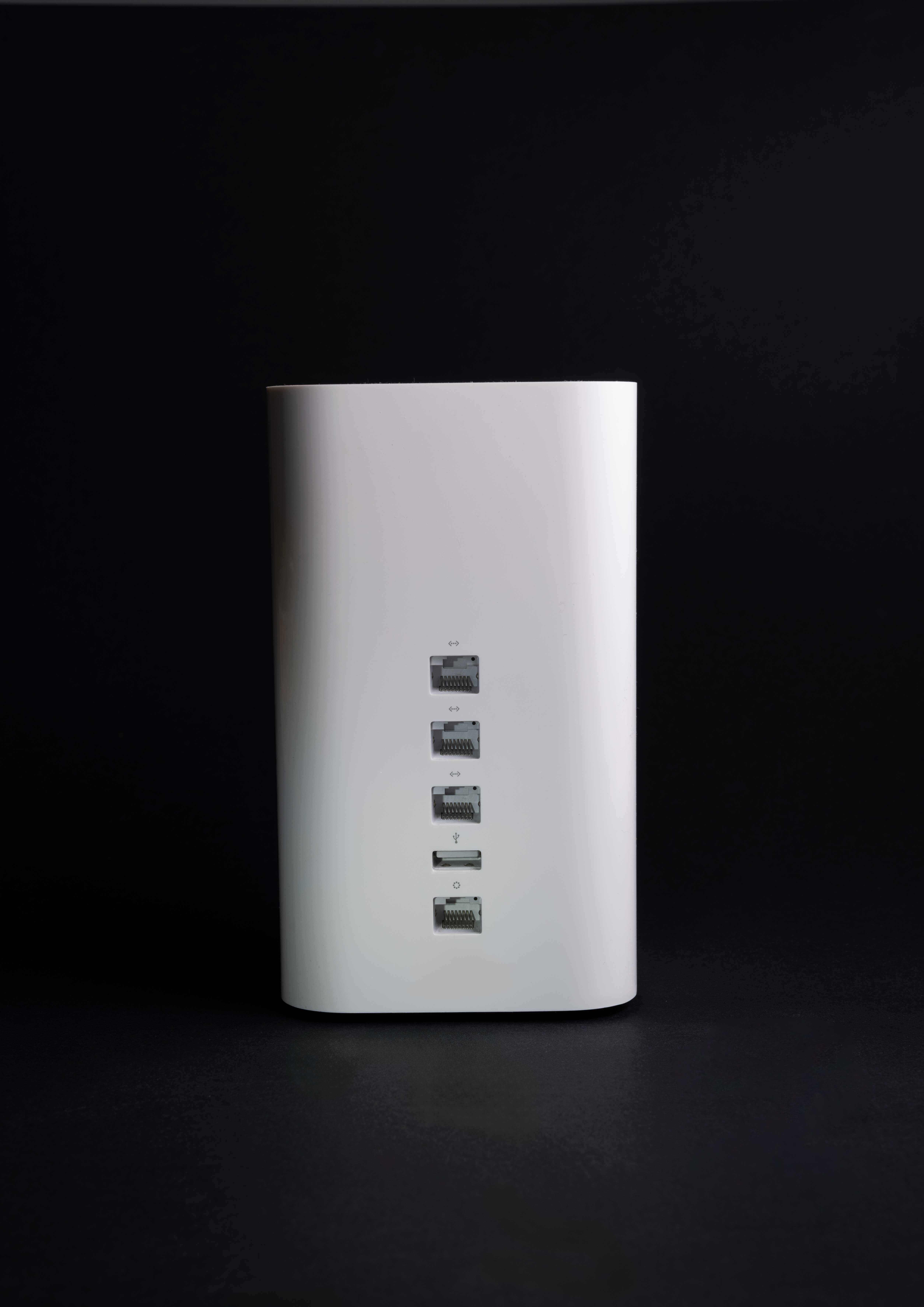
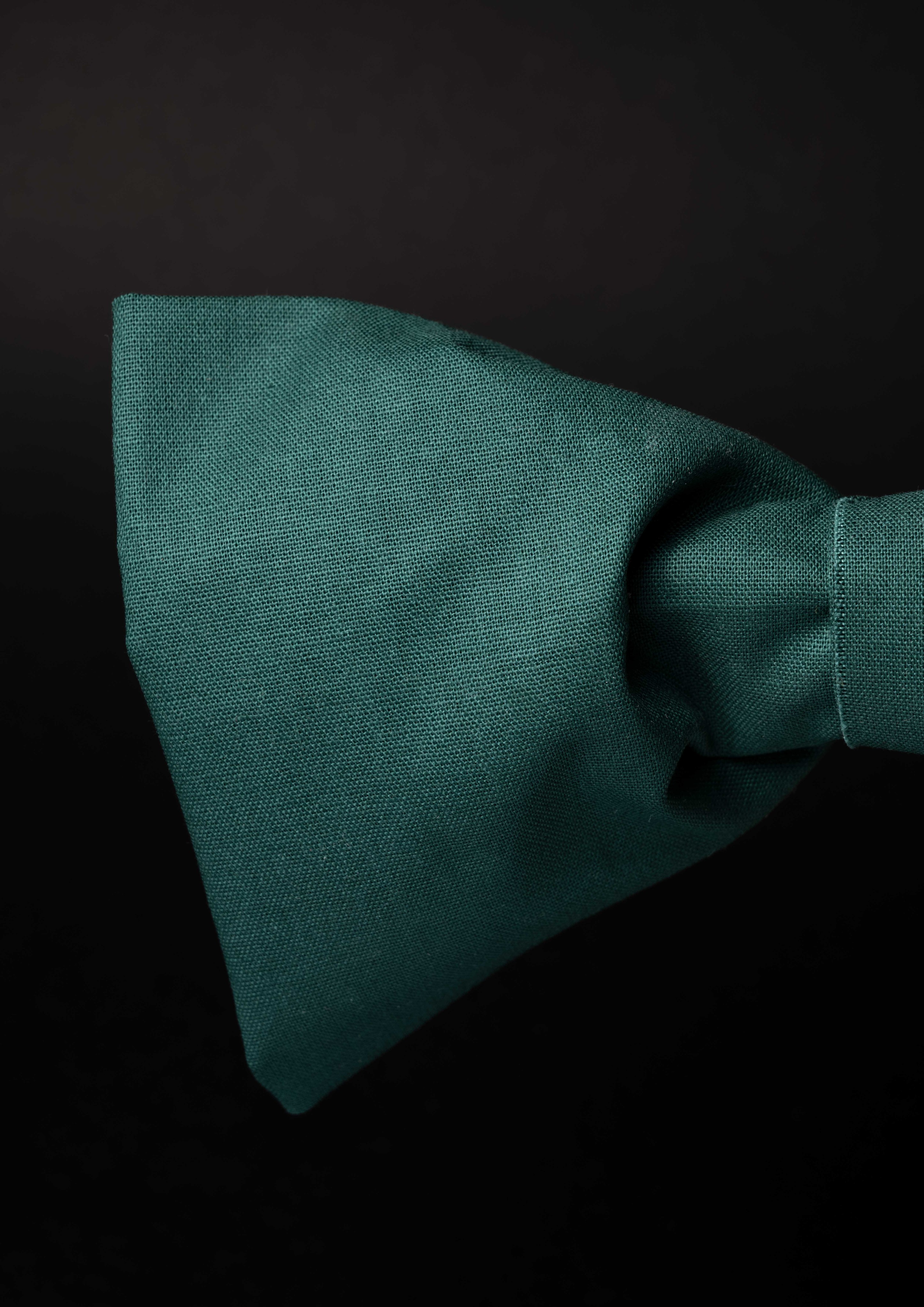
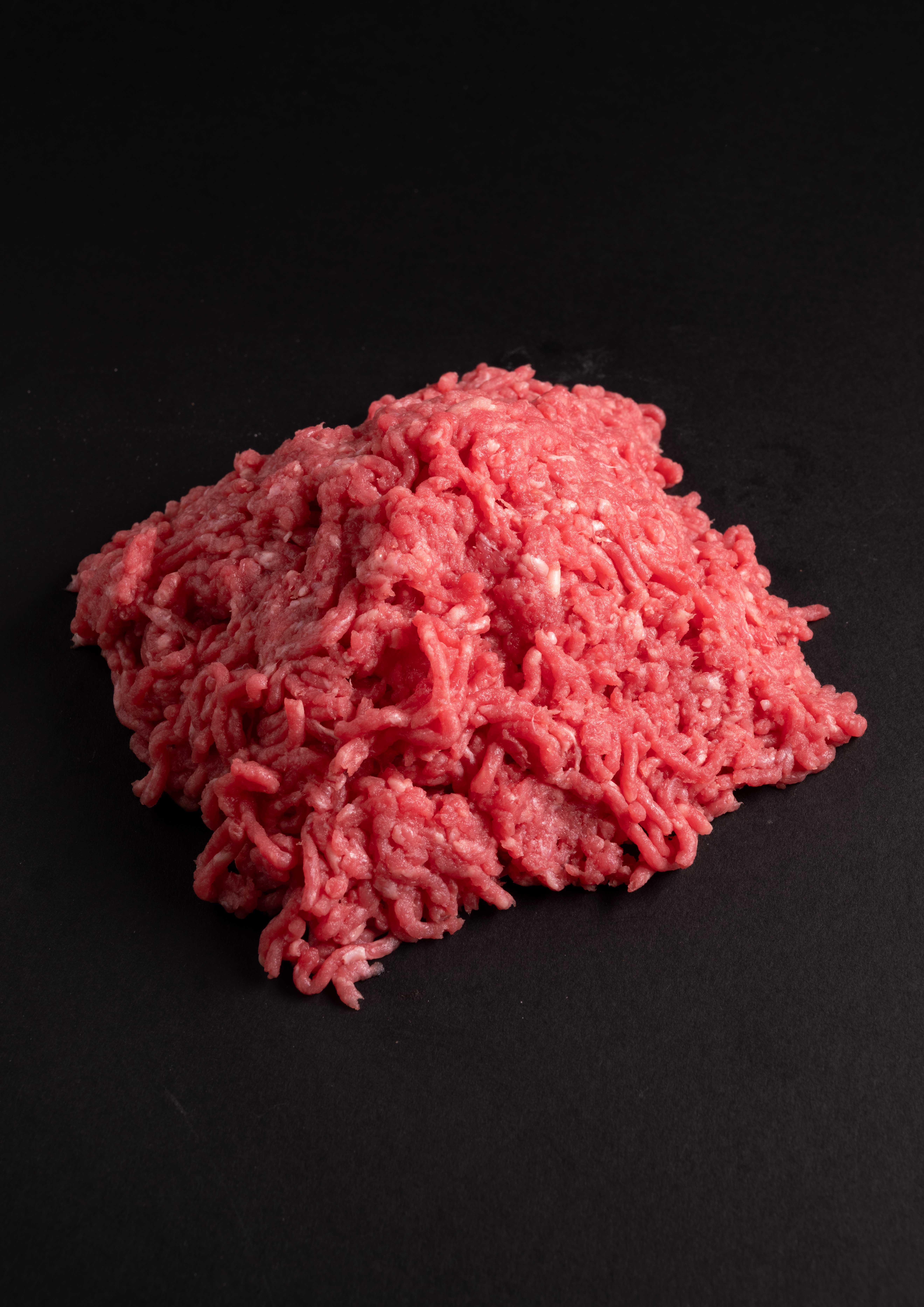
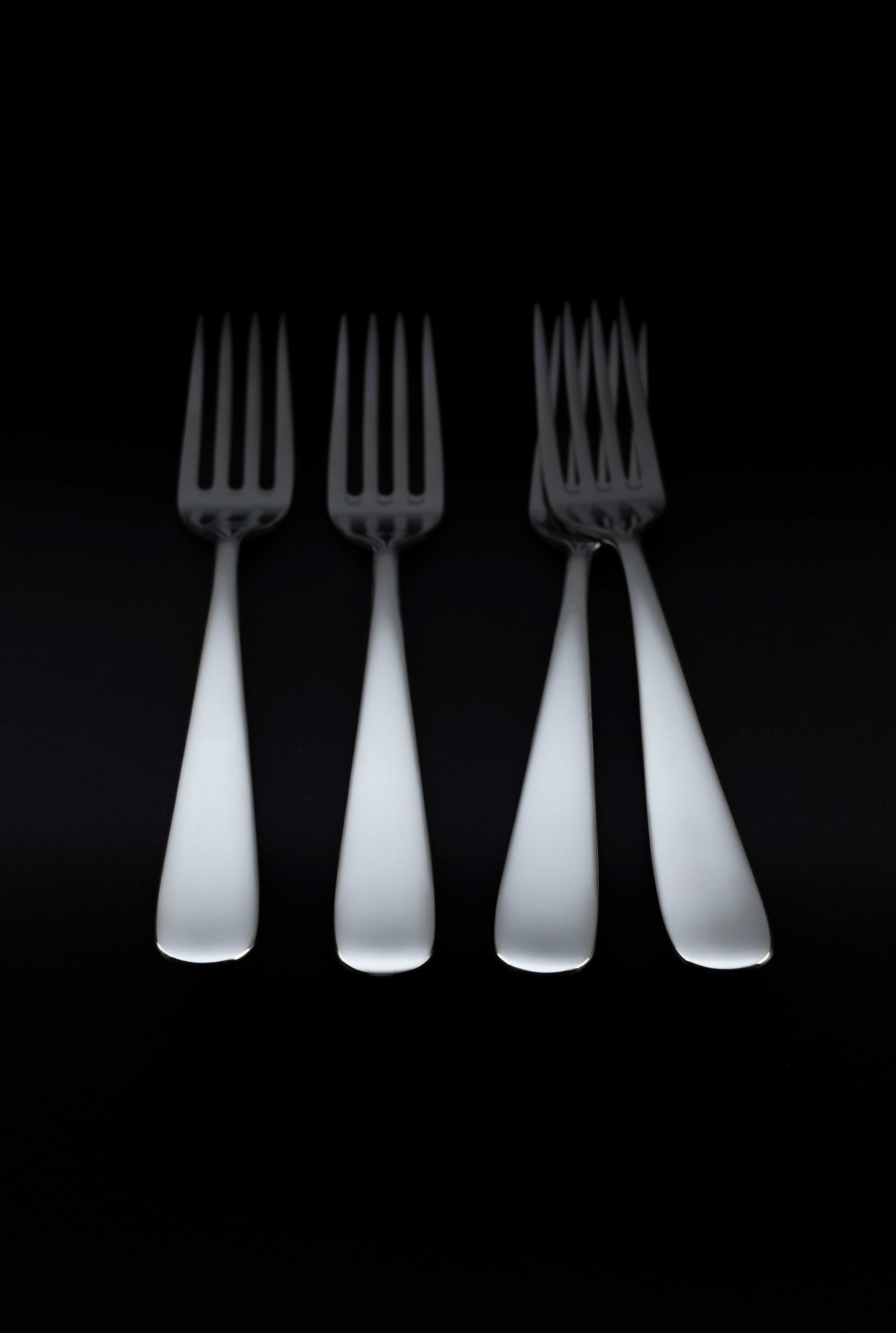
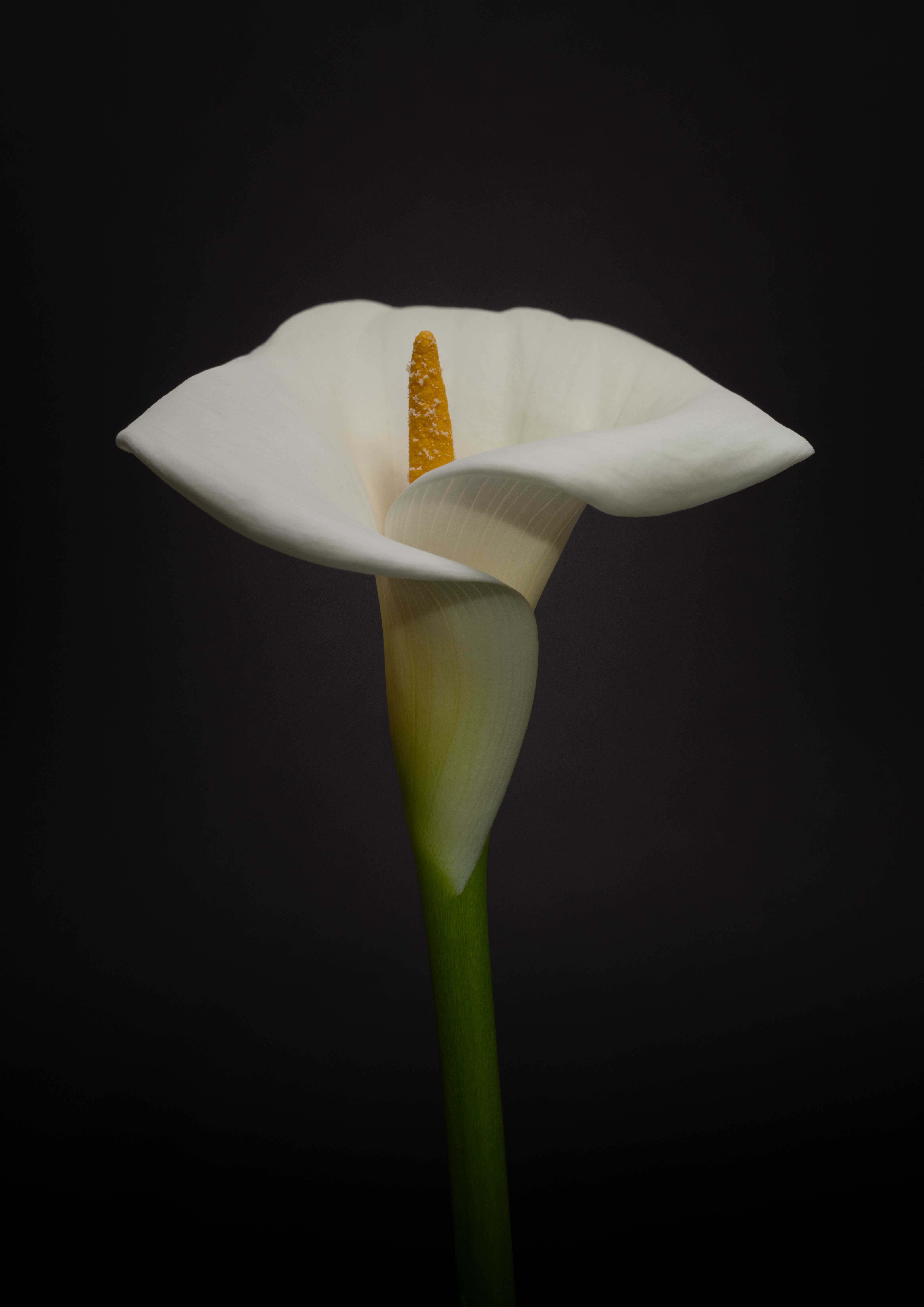
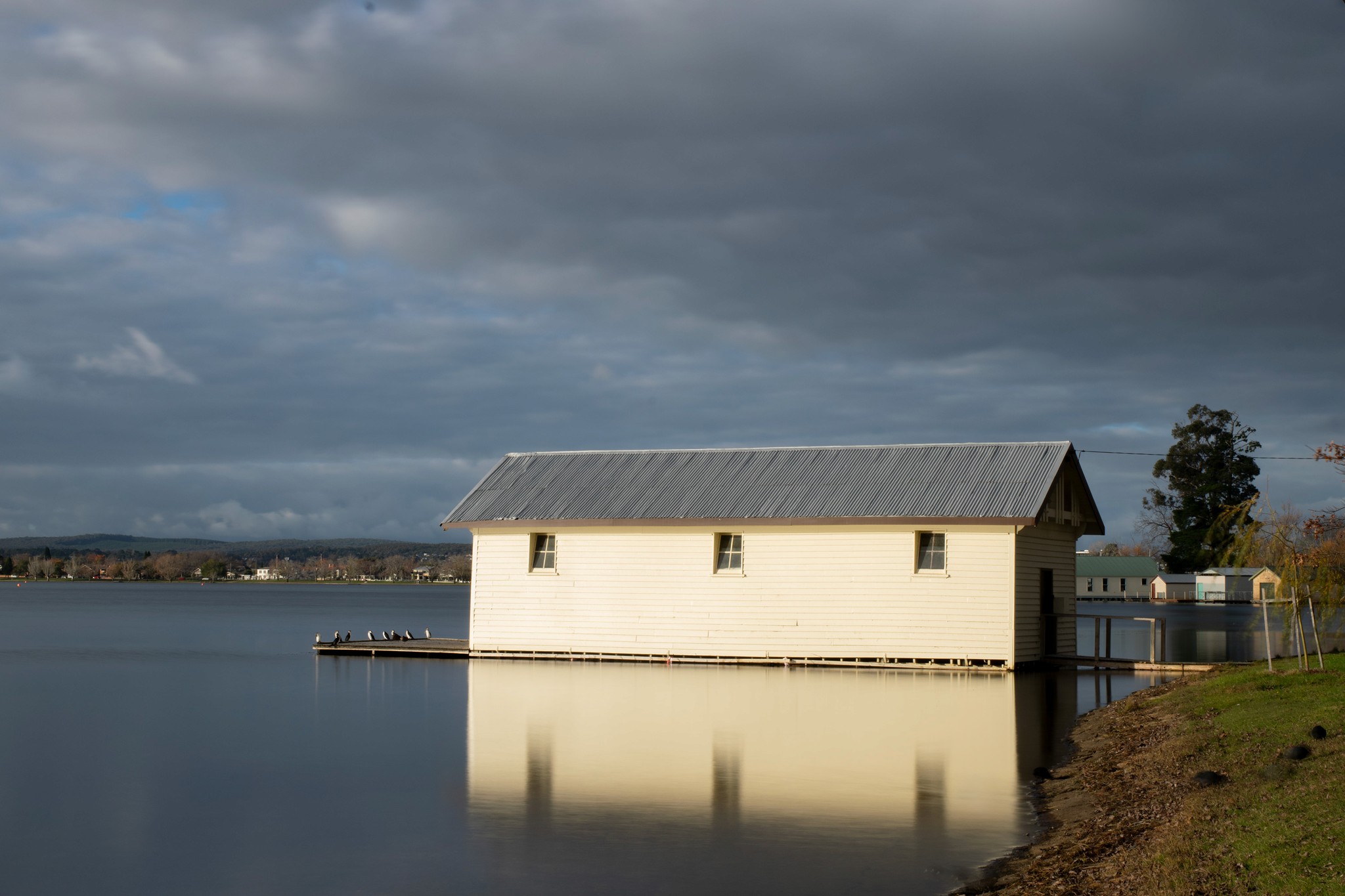
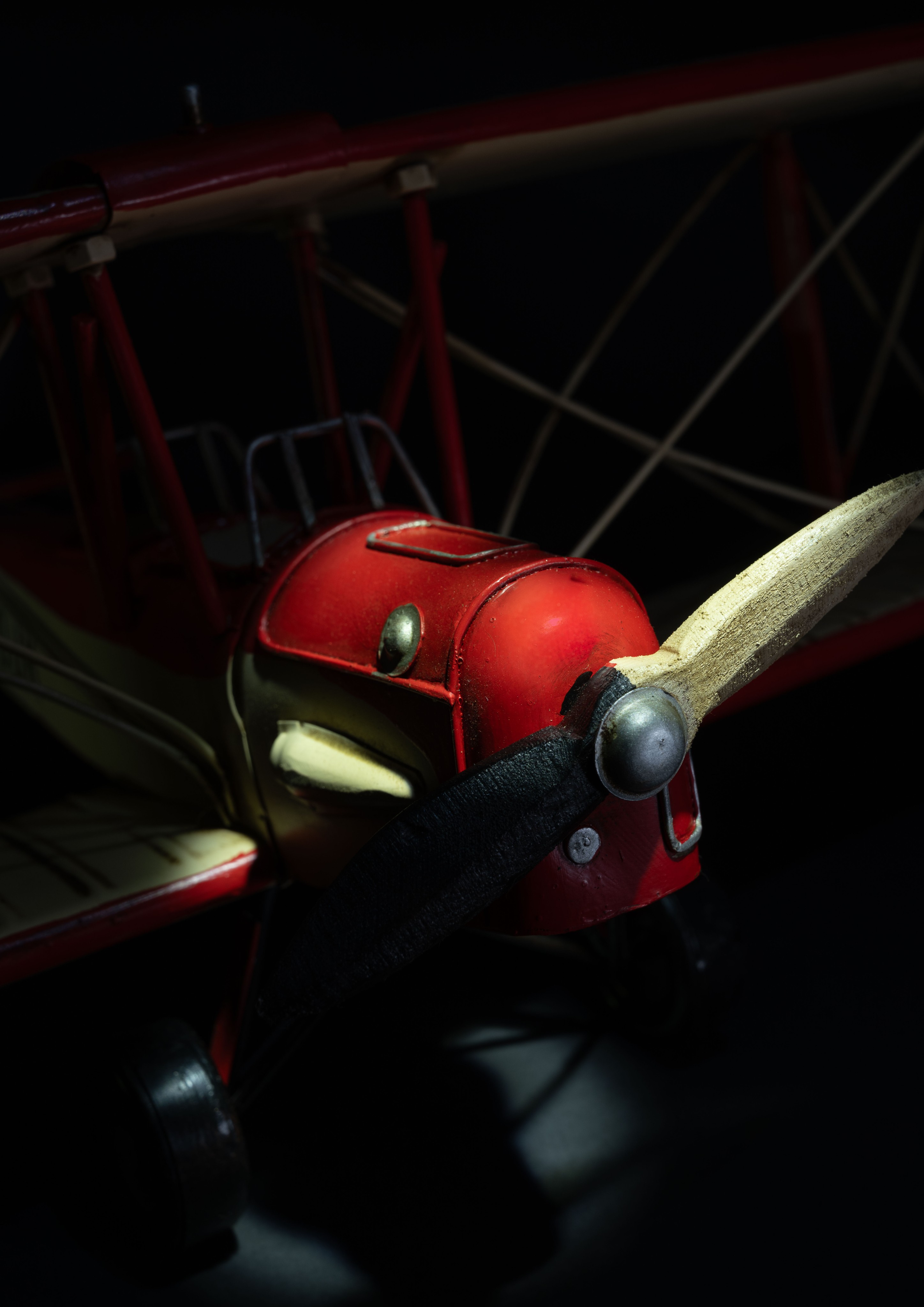
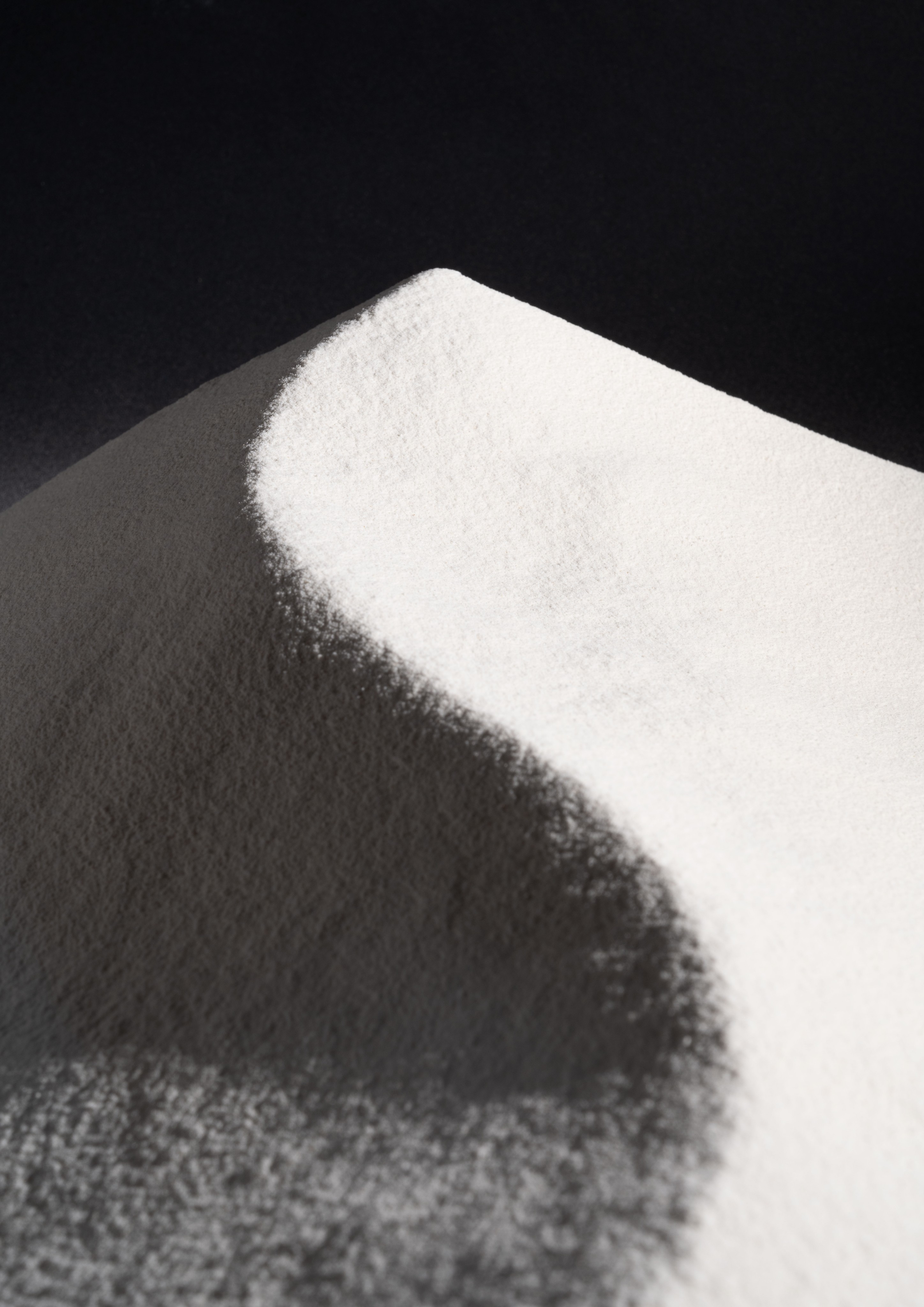
The first series of images is the response to visualising homonyms. How could I visualise words with the same spelling or pronunciation but a different meaning in image form and make it translatable? I created a series of images that are half of a pair. Each is a homophone or homograph. The challenge is to match the pairs.

This leads me to the other discipline I studied but left behind, photography. The truth is I didn’t leave it behind. For years, as I built my career as a designer, I have quietly, sometimes more quietly than others, continued my love of photography. I have no pretence to be a commercial photographer. The pressure to deliver in another skill doesn’t appeal. I love photography as a creative outlet, but I’m not permanently attached to my camera; I can leave it for days and weeks. But when I pick it up, I’m as enthusiastic as I am when I’m designing.

Visual homonyms

The first series of images is the response to visualising homonyms. How could I visualise words with the same spelling or pronunciation but a different meaning in image form and make it translatable? I created a series of images that are half of a pair. Each is a homophone or homograph. The challenge is to match the pairs.

Visual homonyms

The first series of images is the response to visualising homonyms. How could I visualise words with the same spelling or pronunciation but a different meaning in image form and make it translatable? I created a series of images that are half of a pair. Each is a homophone or homograph. The challenge is to match the pairs.

Visual homonyms

The first series of images is the response to visualising homonyms. How could I visualise words with the same spelling or pronunciation but a different meaning in image form and make it translatable? I created a series of images that are half of a pair. Each is a homophone or homograph. The challenge is to match the pairs.

Abstraction

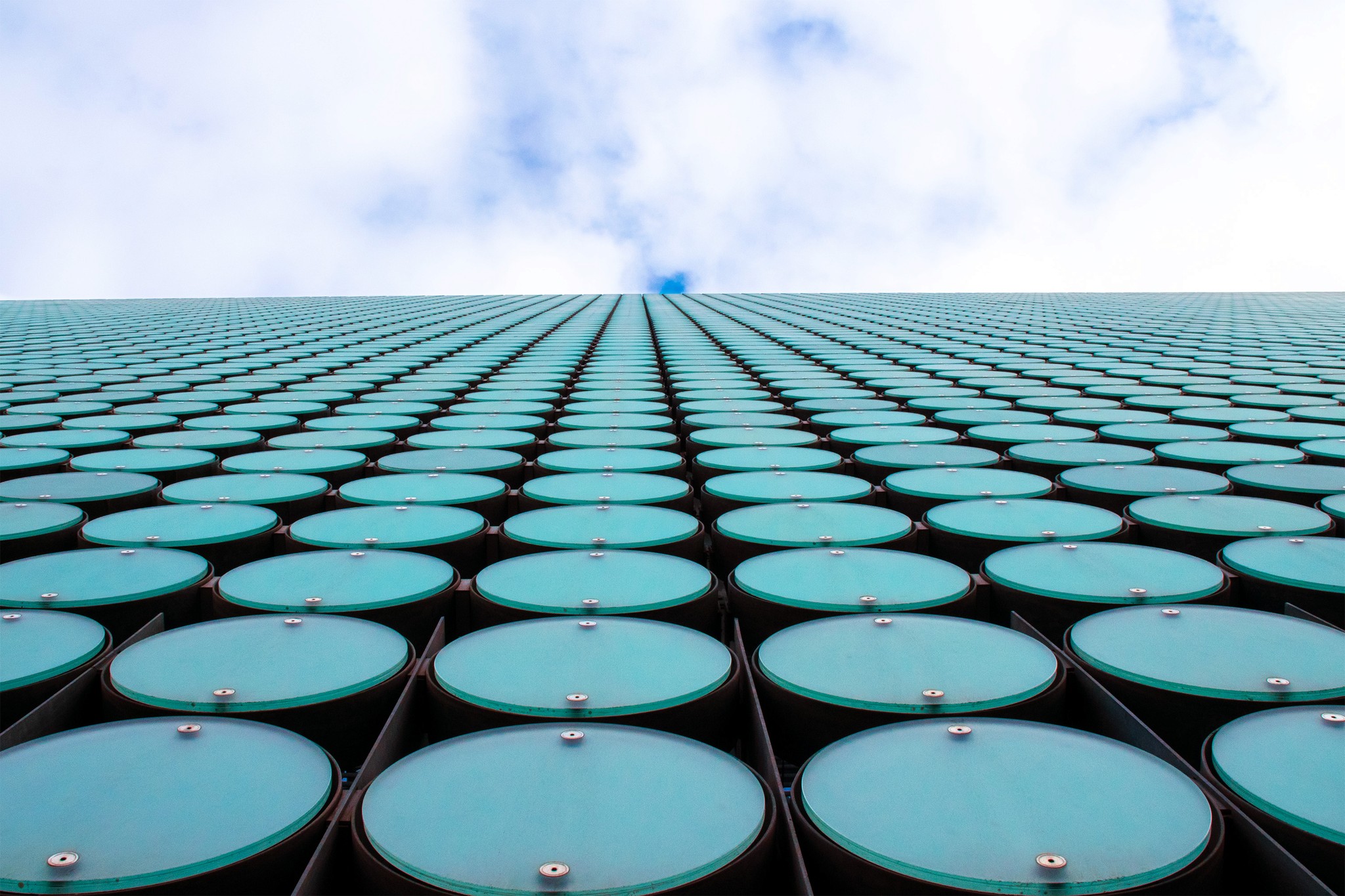
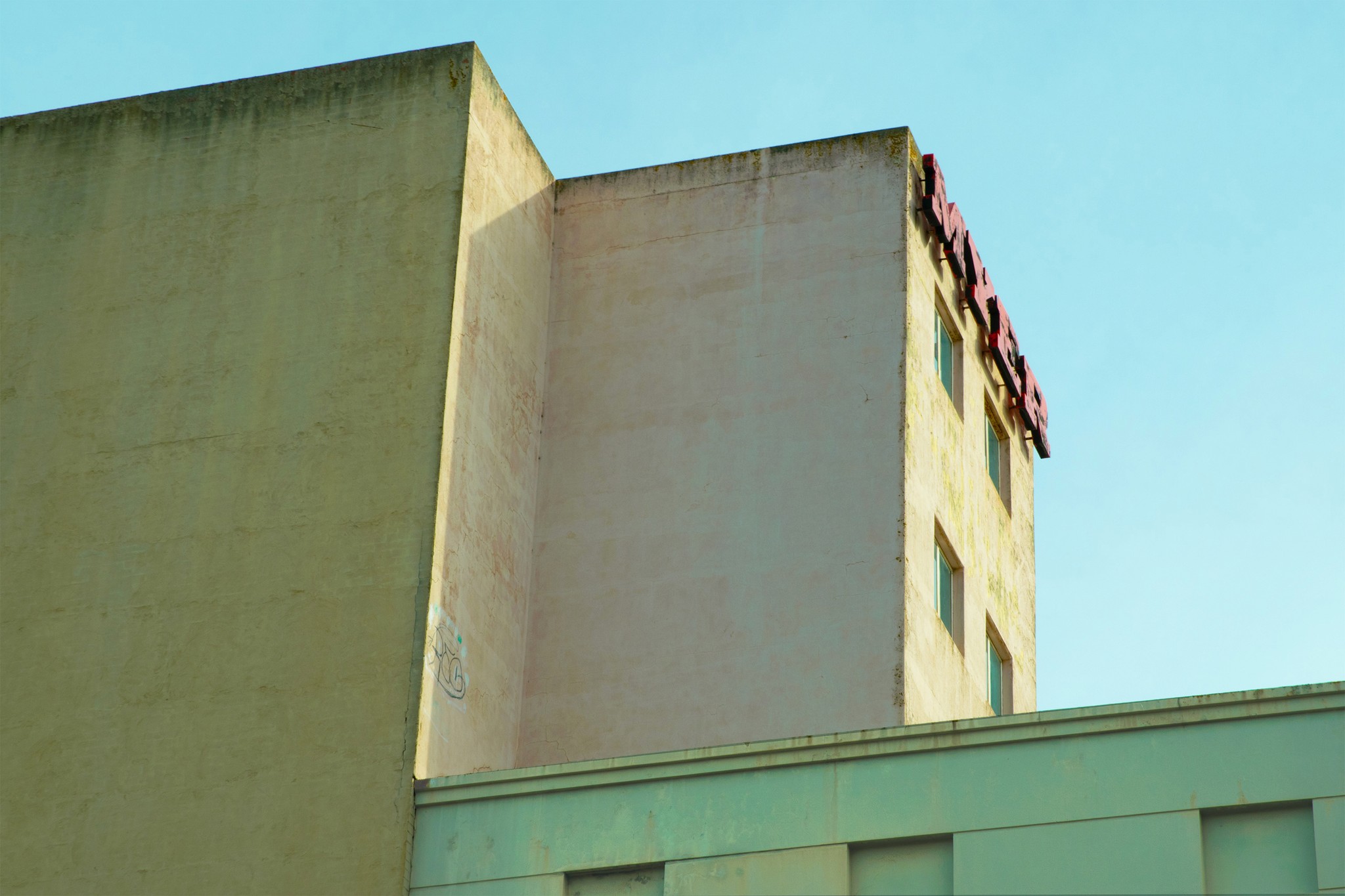
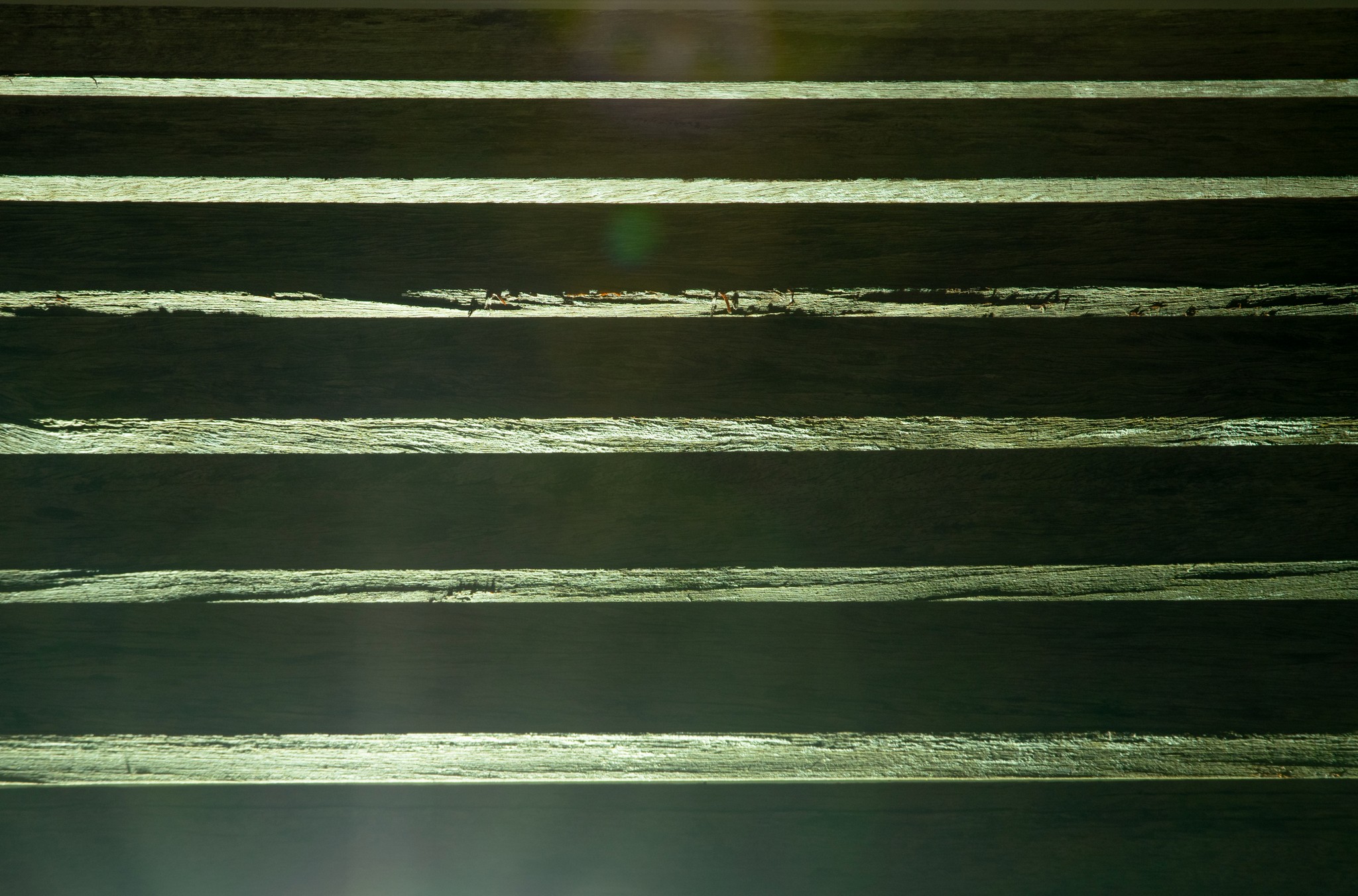
What draws me to abstraction is the structure, like my design work, I enjoy the structure and building meaning into what I do; even if people don’t know the meaning in the image, the result is pleasing. I can apply lateral thinking to my visuals in the same way I do my design. Even if there is no hidden meaning, there is always structure.

Abstraction

What draws me to abstraction is the structure, like my design work, I enjoy the structure and building meaning into what I do; even if people don’t know the meaning in the image, the result is pleasing. I can apply lateral thinking to my visuals in the same way I do my design. Even if there is no hidden meaning, there is always structure.

Abstraction

What draws me to abstraction is the structure, like my design work, I enjoy the structure and building meaning into what I do; even if people don’t know the meaning in the image, the result is pleasing. I can apply lateral thinking to my visuals in the same way I do my design. Even if there is no hidden meaning, there is always structure.

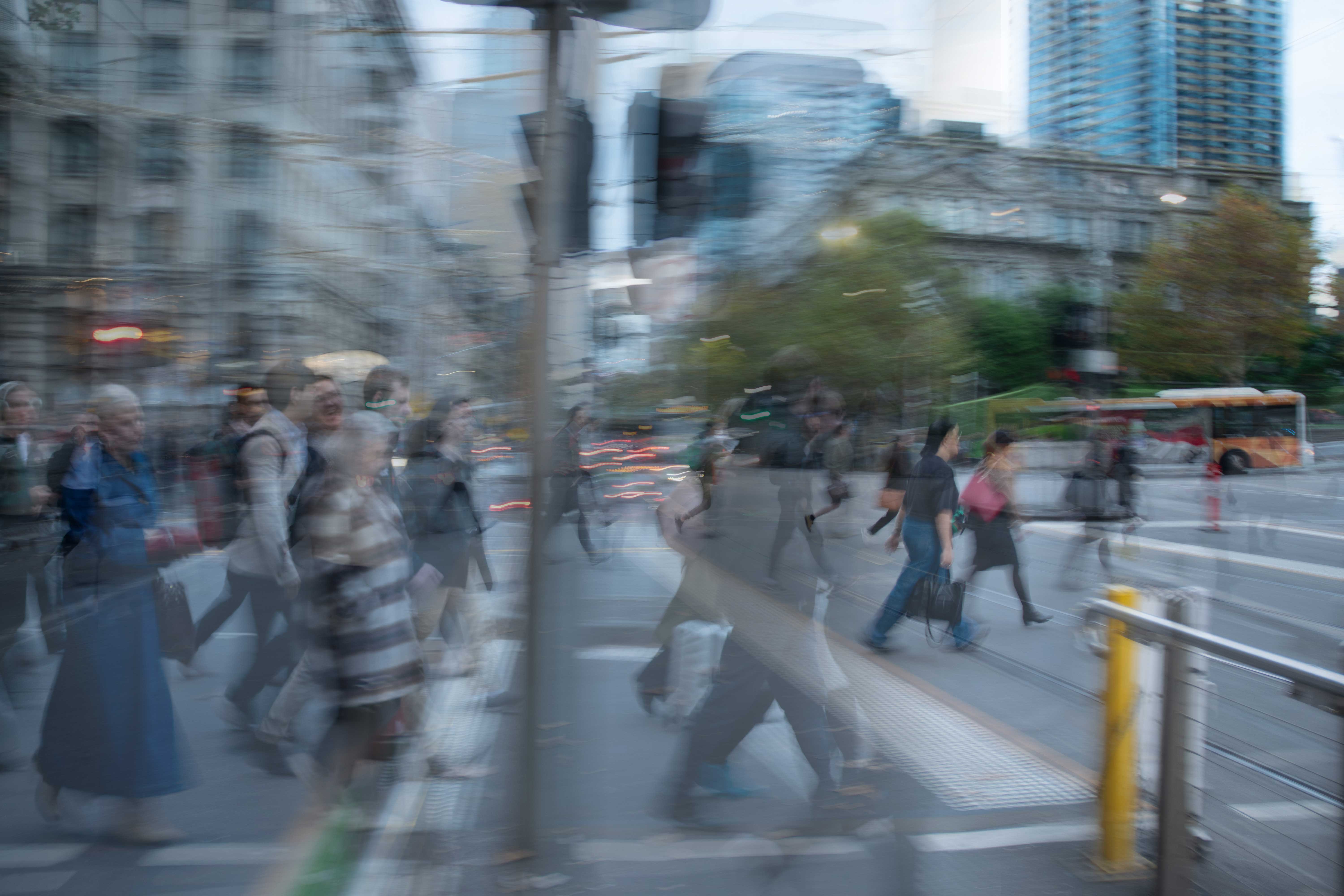
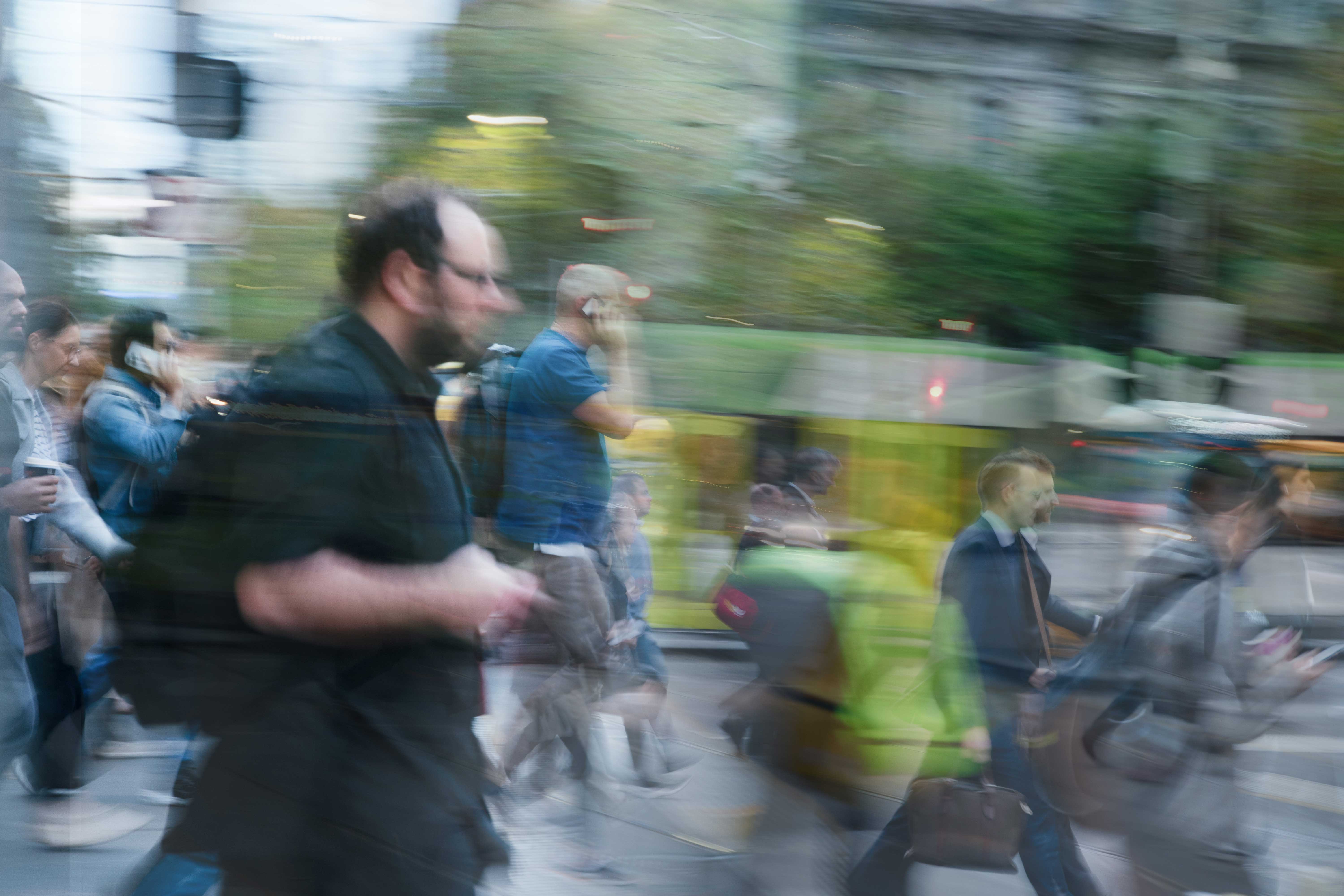
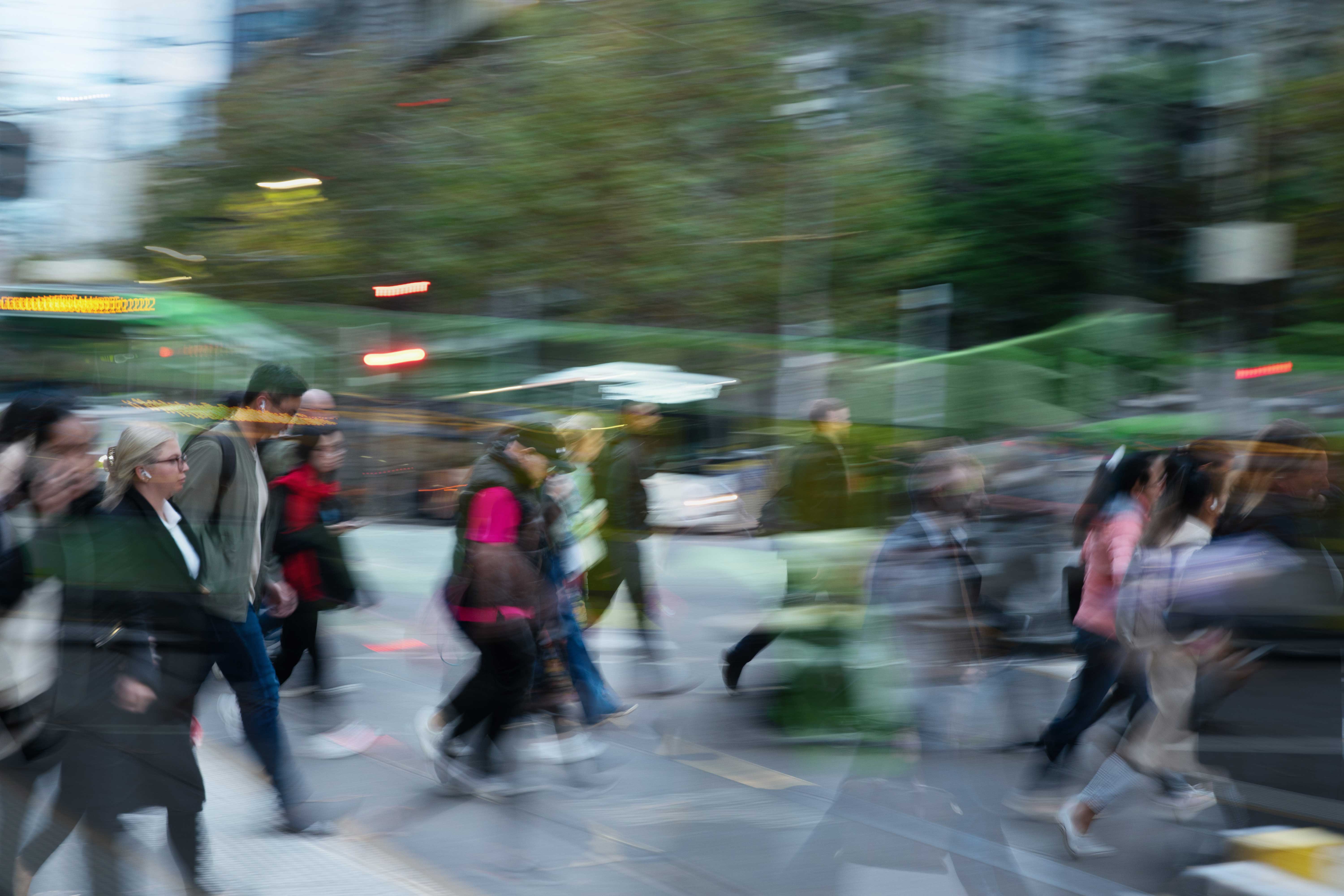
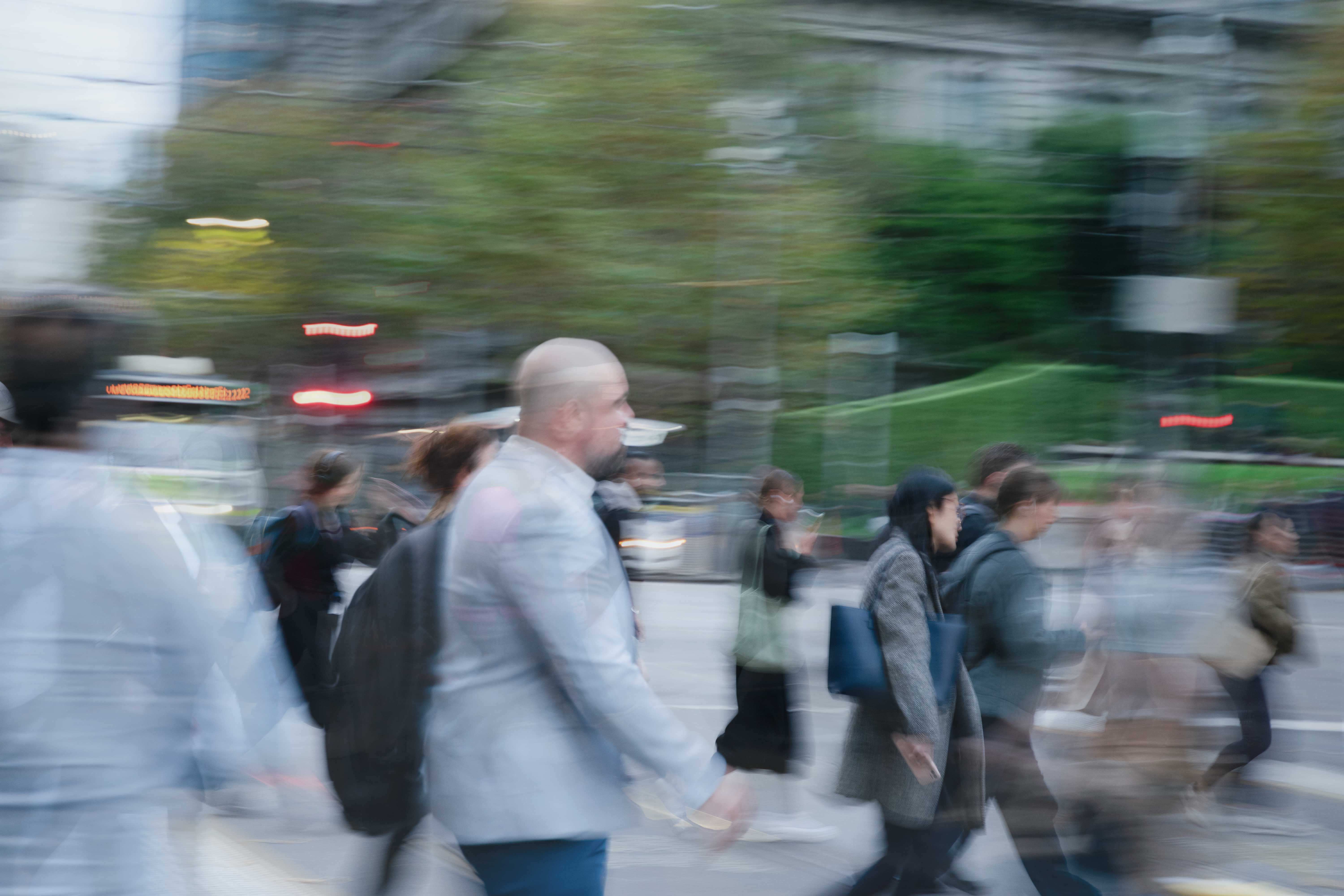
Crossing

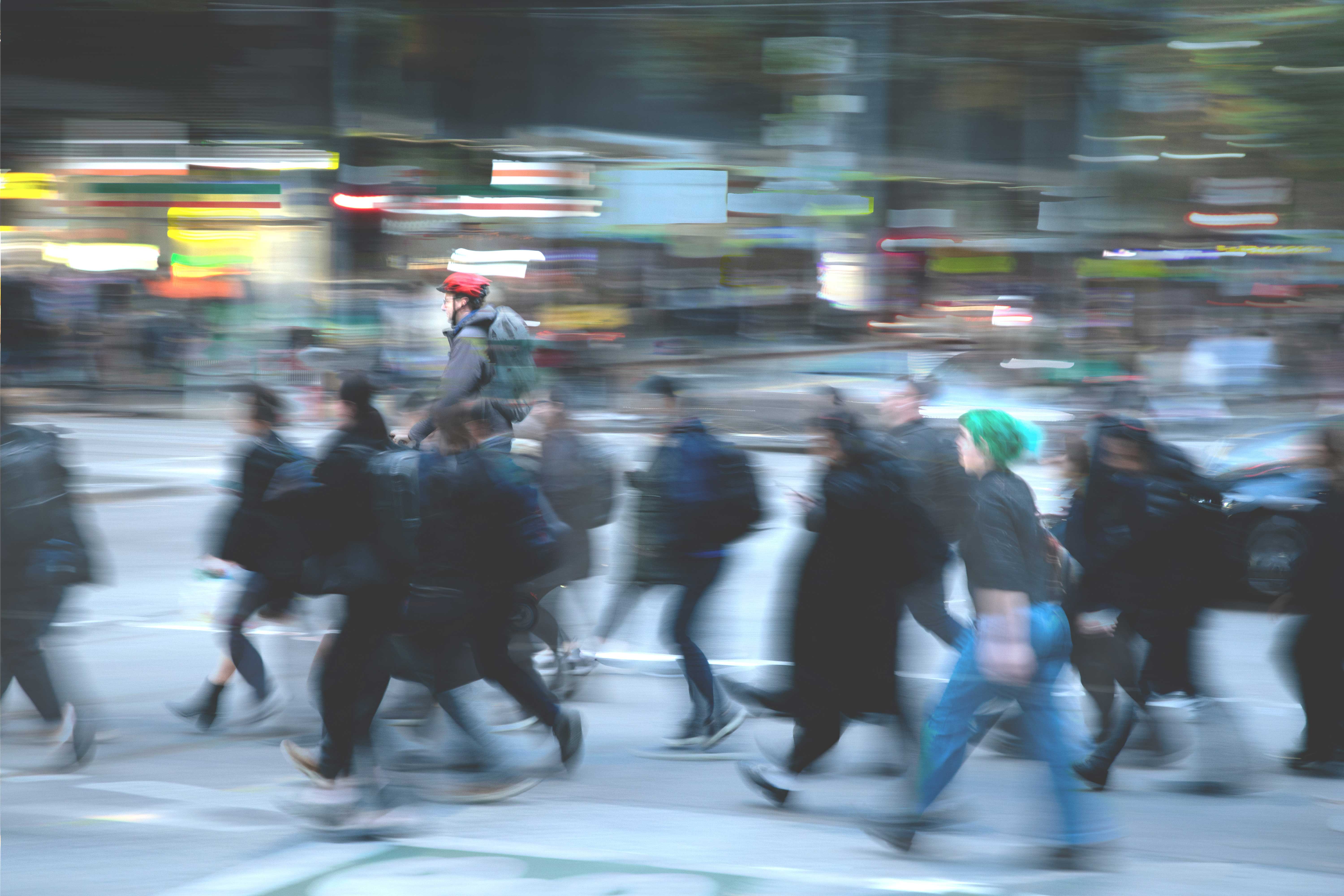
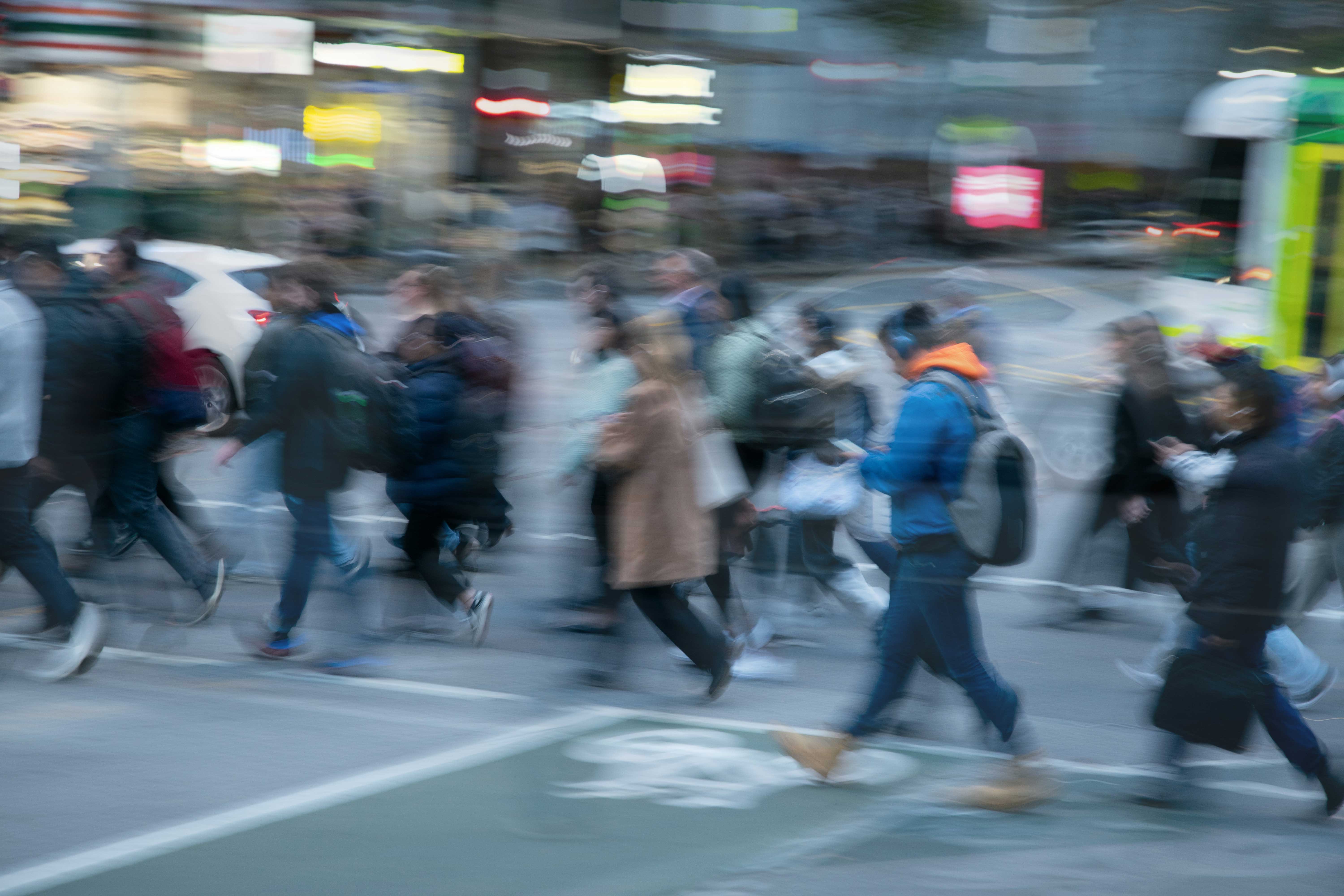
Just as Henry Moore inspired my sculpture, I was inspired by the work of Olga Karlovac. I was inspired by the movement of the people and the abstract shapes this creates. Rather than the contrast of black and white in Karlovac’s work, I wanted colour to add to the chaotic swirling of shapes made by the people.

Crossing

Just as Henry Moore inspired my sculpture, I was inspired by the work of Olga Karlovac. I was inspired by the movement of the people and the abstract shapes this creates. Rather than the contrast of black and white in Karlovac’s work, I wanted colour to add to the chaotic swirling of shapes made by the people.

Crossing

Just as Henry Moore inspired my sculpture, I was inspired by the work of Olga Karlovac. I was inspired by the movement of the people and the abstract shapes this creates. Rather than the contrast of black and white in Karlovac’s work, I wanted colour to add to the chaotic swirling of shapes made by the people.